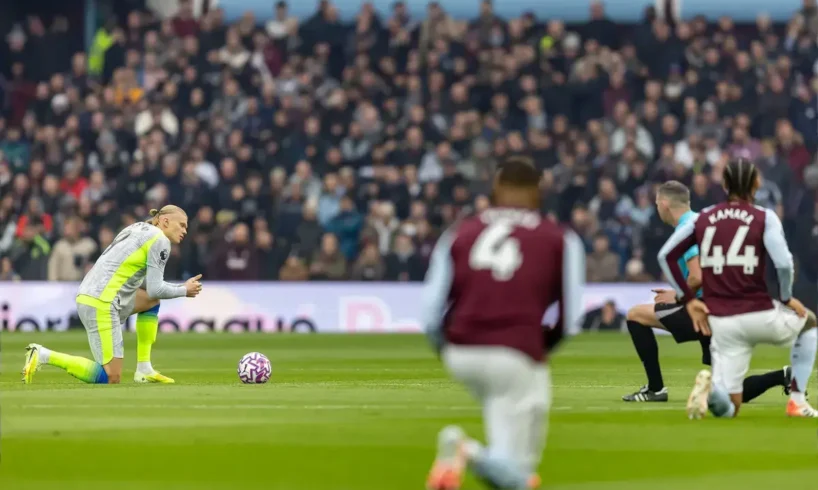
Football likes to describe itself as universal, simple and separate from politics. Twenty-two players, one ball, ninety minutes. But that has never really been true.
From World Cups and ownership models to fan protests, national identity and international sanctions, football has always reflected the political world around it. The game is too popular, too visible and too emotionally powerful to exist in isolation. Wherever football goes, politics follows.
Football as a Stage for National Identity
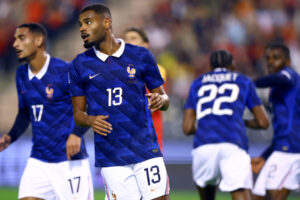
International football is the clearest example of politics entering the sport. National teams do not simply represent sporting federations; they represent flags, histories, governments, diasporas and contested identities.
World Cups and European Championships often become moments of national storytelling. Victories are framed as proof of unity, resilience or national renewal. Defeats become emotional public events. The pressure placed on players is rarely just sporting because they are often treated as symbols of something much bigger than football.
Few examples show this better than Argentina’s 1978 World Cup win, which took place under a military dictatorship. The tournament was used by the regime as a way to project normality and national pride while the country faced severe political repression. The football was real, but so was the political theatre surrounding it.
When Governing Bodies Take Political Decisions
Football authorities often insist that politics should stay out of the game, but their own decisions show how difficult that principle is to maintain.
The suspension of Russian clubs and national teams by FIFA and UEFA after the invasion of Ukraine remains one of the clearest modern examples. This was not a decision about tactics, fixtures or crowd safety alone. It was a political and moral judgement about whether Russia could continue to participate in international football while the war continued.
The issue has not gone away. Questions around whether Russian teams should return to competition remain politically charged, particularly in Europe, where many federations continue to oppose reintegration. Football’s governing…
..