For a brief period during the 2010s, the Chinese Super League appeared capable of changing football’s established order. Clubs were spending enormous transfer fees, offering some of the game’s biggest salaries and convincing prominent players to leave leading European competitions.
The league did not become the global force once predicted. Its lavish spending proved unsustainable, numerous clubs encountered financial problems and most of the international stars departed. Yet the Chinese Super League has not disappeared. In 2026, it looks less glamorous but potentially more sustainable, with record attendances and greater opportunities for young domestic players.
The transformation gathered pace after Evergrande Group took control of Guangzhou in 2010. Backed by significant investment, Guangzhou Evergrande assembled a dominant team, hired World Cup-winning coach Marcello Lippi and won the AFC Champions League in 2013 and 2015.
Other wealthy owners began following the same model. Chinese clubs were no longer targeting only ageing players approaching retirement. They were signing internationals who remained capable of playing for major European teams.
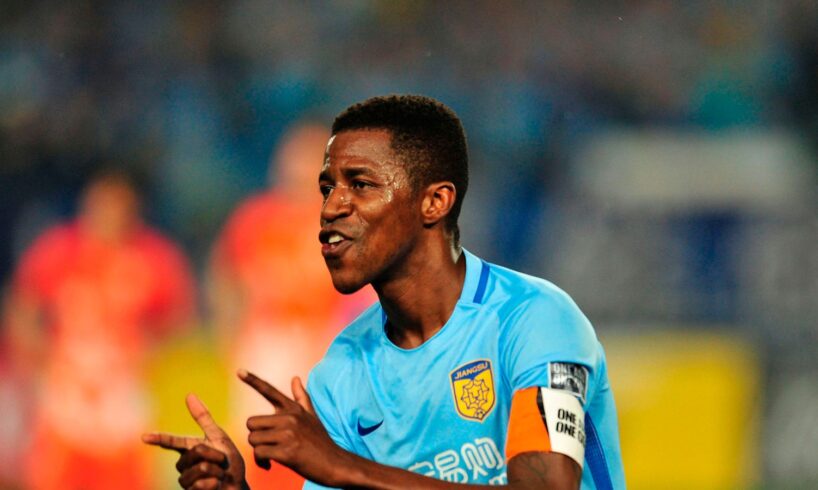
Jiangsu Suning beat competition from Liverpool to sign Alex Teixeira from Shakhtar Donetsk for a reported €50 million in 2016. The club also brought Ramires from Chelsea to China.
Shanghai SIPG, now known as Shanghai Port, signed Hulk from Zenit Saint Petersburg before paying around €60 million for Oscar in late 2016. Oscar was only 25 and had been a regular at Chelsea, making his decision especially significant.
Elsewhere, Guangzhou Evergrande recruited Paulinho and Jackson Martínez, Shanghai Shenhua signed Carlos Tevez, and Tianjin Quanjian added Axel Witsel. Managers including Lippi, Luiz Felipe Scolari, André Villas-Boas, Manuel Pellegrini, Fabio Capello and Rafael Benítez also worked in China.
For established European leagues, the concern was obvious. Chinese clubs possessed enough financial power to compete for in-demand players rather than waiting for famous names to reach the final years of their careers.
Huge Salaries and Transfer Fees
The spending was built…
..