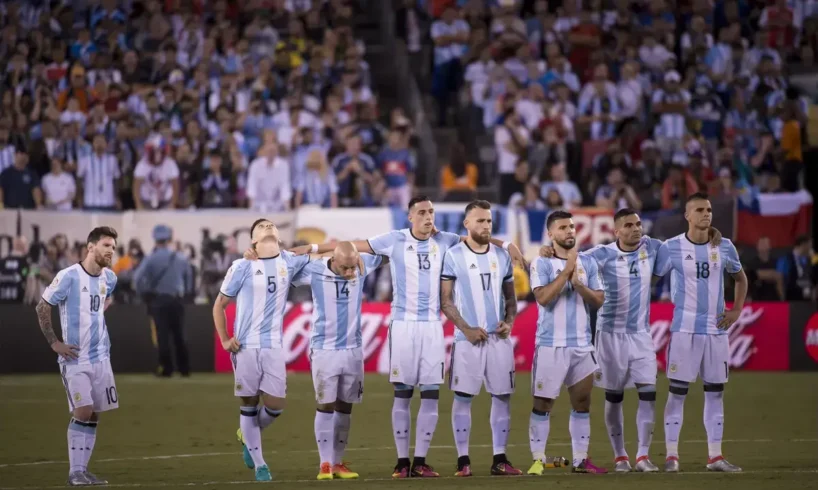
Penalty shootouts are football’s ultimate stress test. In a sport built on movement, combinations and momentum, a shootout strips everything back to one player, one goalkeeper and one moment that feels bigger than the game itself.
That is why penalty shootouts are so fascinating. Technically, the action looks simple. Psychologically, it is anything but.
As the biggest tournaments continue to be shaped by spot-kicks — and as the 2026 World Cup unfolds in a new 48-team format where more knockout drama feels inevitable — understanding the mental side of penalty shootouts matters more than ever. This guide explains why shootouts feel different, what pressure does to the brain and body, and how elite players and coaches try to turn chaos into control.
Why Penalty Shootouts Feel So Different From Normal Penalties
A penalty in open play is already a high-pressure moment. A penalty in a shootout is different because it changes the emotional context completely.
In open play, a missed penalty can still be recovered from. In a shootout, every kick is isolated, public and final. The player knows the entire stadium is watching. Teammates can do nothing to help. The consequences are immediate and often historic.
That is why shootouts create a rare kind of pressure in football. The task itself is familiar, but the environment transforms it. Players who calmly score penalties all season can suddenly look tense, rushed or uncertain when a knockout match is on the line.
The key point is this: penalty shootouts are not just a technical challenge. They are a psychological contest.
The Science of Pressure: What Happens in the Mind During a Shootout
When a player walks from the halfway line to the penalty spot, the body reads the moment as a threat as much as an opportunity.
Adrenaline rises. Heart rate spikes. Breathing can become shallow. Muscles tighten. Thoughts speed up. Instead of relying on automatic technique, the player can become hyper-aware of the importance of the kick.
This is where pressure starts to damage performance. Skills that are usually natural become over-controlled. The brain shifts from fluent execution to…
..