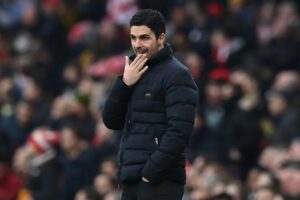
Mikel Arteta’s transformation of Arsenal did not follow a straight line. His first trophy arrived within eight months, but the larger rebuilding project brought difficult league finishes, disputes with senior players, expensive recruitment decisions and several painful near misses.
By October 2026, however, Arteta had taken Arsenal from a fragmented side outside the Champions League places to Premier League champions. He had also restored the club to Europe’s leading competition, reached a Champions League final and built one of the strongest defensive teams in English football.
This is the complete timeline of his Arsenal managerial career so far.
December 2019: Arteta Returns to Arsenal
Arsenal appointed Arteta as head coach on 20 December 2019, replacing interim manager Freddie Ljungberg. Unai Emery had been dismissed three weeks earlier following a poor run of results.
Arteta was only 37 and had never previously managed a senior side. He had spent three-and-a-half years working as Pep Guardiola’s assistant at Manchester City, where he gained experience of title races, domestic cup competitions and Champions League football.
The appointment nevertheless represented a considerable risk. Arsenal were 10th in the Premier League and had won only five of their opening 17 matches. Confidence was low, the squad lacked balance and the relationship between the team and its supporters had deteriorated.
Arteta’s first match ended in a 1-1 draw at Bournemouth on Boxing Day. His first victory followed on New Year’s Day, when Arsenal defeated Manchester United 2-0 at the Emirates Stadium.
From the beginning, Arteta spoke about changing the club’s culture. He wanted greater discipline, clearer tactical organisation and a stronger emotional connection between the players and supporters.
2019/20: Immediate Improvement and an FA Cup
The early months brought gradual progress rather than an immediate surge up the table. Arteta made Arsenal more compact and difficult to play through, but the team continued to draw too many matches.
The season was then suspended in March 2020 because of the COVID-19 pandemic. When football resumed…
..