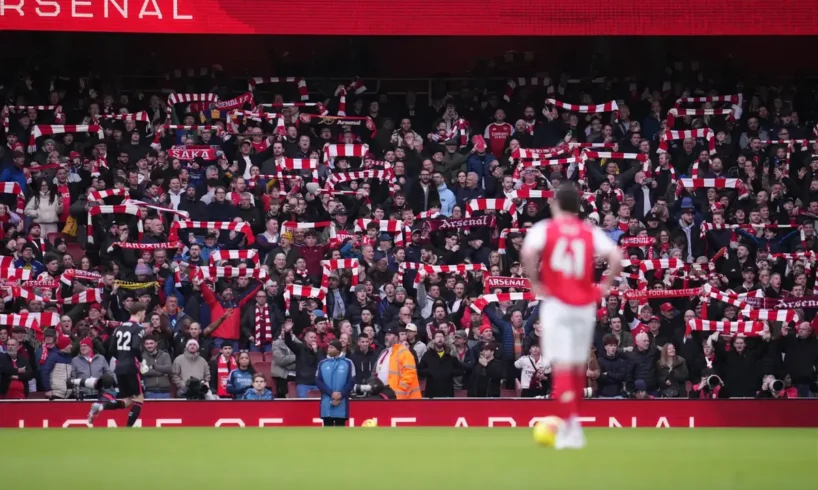
For generations, season ticket holders have represented the foundations of a football club. They attend regardless of form, fill stadiums on unattractive winter evenings and help preserve the songs, rituals and relationships that give each ground its identity.
However, a growing number of supporters suspect that some owners no longer see that loyalty as an asset. Instead, they fear clubs are gradually trying to reduce their dependence on season ticket holders so that more seats can be sold individually at higher prices.
There is little evidence of a coordinated attempt to remove season ticket holders altogether. Few clubs would admit to wanting that, and completely abandoning the model would carry serious financial and cultural risks. Yet changes to pricing, concessions, ticket transfers and hospitality are feeding the belief that football’s most reliable customers are not necessarily its most profitable ones.
Why Season Tickets Can Limit Revenue
A season ticket provides a club with certainty. Thousands of seats can be sold before the campaign begins, placing guaranteed income into the business and reducing the risk of empty spaces during less attractive fixtures.
The trade-off is that clubs normally offer a discount in return for that commitment. A supporter buying all 19 Premier League home matches together generally pays less per game than somebody purchasing individual tickets.
One industry analysis estimated that match-by-match tickets cost approximately 15 per cent more than their season-ticket equivalents. The same study placed the average cost of the cheapest 2025/26 Premier League match ticket at £39.10, compared with an average of £31.76 per game for the cheapest season ticket.
Across thousands of seats and an entire campaign, that difference can become considerable.
A season ticket holder may occupy the same position against Manchester City and a newly promoted club, paying a fixed amount for each. If that seat returned to general sale, the club could charge according to demand, fixture category and location.
From a purely commercial perspective, a guaranteed customer can therefore become an underpriced…..