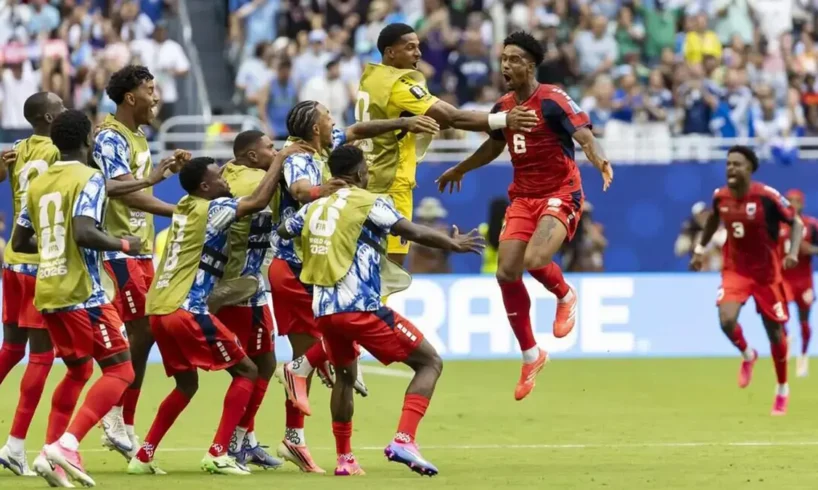
Cape Verde’s start to the 2026 World Cup has been one of the stories of the tournament so far. Two matches in, the Blue Sharks are unbeaten, they have already taken points off Spain and Uruguay, and they head into their final group game still very much in the picture for qualification. For a nation making its World Cup debut, that is already remarkable. For a country of barely over half a million people, it feels even bigger.
So, could anyone really have seen this coming?
The honest answer is yes and no.
The Part Nobody Saw Coming
Almost nobody predicted this exact script. A draw with Spain in a first-ever World Cup match would have sounded wildly optimistic before the tournament. Backing that up by coming from behind to draw with Uruguay would have felt even more unlikely. Those are not just respectable results. They are results against two established football powers, one of them a recent European champion and the other a nation with deep World Cup pedigree.
That is why Cape Verde’s performance has landed with such force. It is not simply that they have avoided defeat. It is the manner of it. Against Spain, they were organised, calm and emotionally mature. Against Uruguay, they showed another side of themselves, first taking the lead, then recovering from adversity after going behind. That combination of discipline and belief is what has made their start so impressive.
In truth, the broader football public did not see this particular opening coming. A World Cup debutant from a small island nation in a group with Spain, Uruguay and Saudi Arabia was expected to scrap for a point at best. Two draws from the opening two games was beyond what most neutral observers would have forecast.
The Clues Were There
And yet, to say this came entirely from nowhere would be unfair to the work Cape Verde have done over the last few years.
This team did not stumble into the tournament. They qualified by topping their African qualifying group ahead of Cameroon, which immediately told anyone paying attention that this was not a novelty act. That campaign was built on defensive strength, consistency and a tactical identity that translated well to…
..