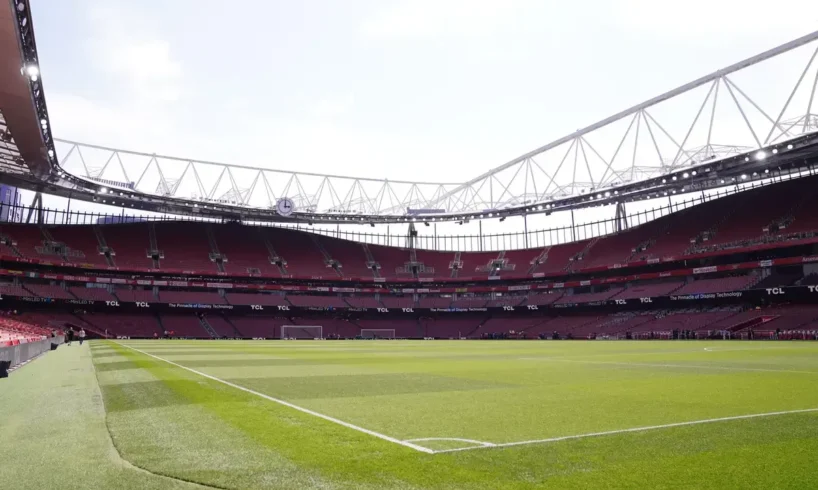
The Premier League has a special talent for making a neat forecast look foolish by Sunday evening. A side starts brightly, the manager changes the shape, and suddenly the pre-match story belongs in the recycling. That is why ai premier league predictions make such a tempting test: can a model keep up with the week-to-week chaos without pretending to know the script? We can follow the competition round by round, recording each call before kickoff and checking it afterward. The aim is a better way to read forecasts, not a magic answer to every fixture.
A league that refuses to sit still
The league’s appeal is part of the model’s problem. Teams with very different resources still meet under the same ninety-minute clock. A dominant spell can end with a red card; a narrow lead can disappear in stoppage time. Those events are football, not defects in the data. A forecast made on Thursday cannot know the precise sequence of substitutions, deflections and individual decisions waiting on Saturday. It can only describe what tends to happen under similar starting conditions.
Parity matters, too. When two teams are close in underlying strength, small changes in lineup or tactical plan carry more weight. A model may sensibly make one side a mild favourite while conceding that a draw or away win remains plausible. Fans sometimes read the first part and forget the second. Predicting premier league results is difficult precisely because a likely outcome is not the same as an inevitable outcome. The model’s language ought to leave room for a late equaliser, even before anyone knows which match will produce one.
History adds context but can also mislead. A club’s reputation travels farther than its current midfield. Browsing the Manchester United archive is a reminder that famous names attract scrutiny, yet a prediction should focus on the available side and the task in front of it. The same point applies to every club: yesterday’s standing, transfer narrative and badge cannot play the next fixture. Use long-run quality as a starting point, then ask what has changed since the last reliable observation. A forecast that never revisits those assumptions…
..