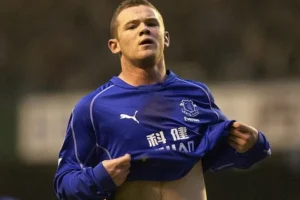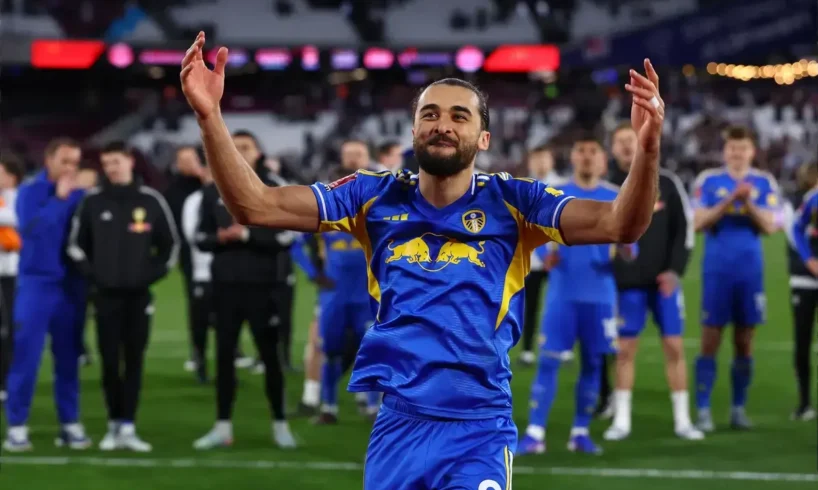
The image of the professional footballer has changed dramatically. Previous generations could finish a match, spend the evening in the pub and return to training after a breakfast that would now horrify a club nutritionist.
Today’s elite players are more likely to discuss sleep quality, hydration, protein intake and recovery treatments. Many employ personal chefs, physiotherapists and fitness coaches, while clubs collect detailed information about everything from running loads to body composition.
The modern footballer is not simply expected to train for a few hours each day. Staying fit has become a full-time lifestyle.
When Footballers Lived More Like Supporters
Professional football has always required physical ability, but players were not historically expected to organise every part of their lives around performance.
During the 1970s and 1980s, drinking was deeply embedded in English football culture. Players socialised together after matches, and alcohol was often viewed as an important part of dressing-room bonding rather than a threat to recovery.
Some footballers ate a full English breakfast before playing, while pies, burgers and red meat were common. Sugary cereals were considered a reasonable source of energy, and post-match pints were treated as an ordinary part of the weekend.
Attitudes towards smoking were also considerably more relaxed. Although not every player smoked or drank heavily, those habits were far more visible and socially acceptable than they would be at a modern Premier League club.
Training could be physically demanding, but the wider support system was basic. Clubs did not necessarily employ large teams of nutritionists, psychologists, sleep specialists and performance scientists. Players were expected to get themselves ready, often using routines passed down by older teammates.
This did not mean previous generations lacked talent or determination. Many performed at an exceptional level despite having limited scientific support. The difference was that clubs understood far less about how everyday choices affected energy, recovery, injuries and career length.
The Drinking Culture of English…
..