Few fixtures in English football carry the same emotional weight as the Merseyside Derby. Contested between Liverpool FC and Everton FC, this clash is more than just a football match—it’s a reflection of a city divided by allegiance, yet united by identity. Known as the “friendly derby,” it is as much about shared history as it is about fierce competition.
Origins: A Split That Shaped a City
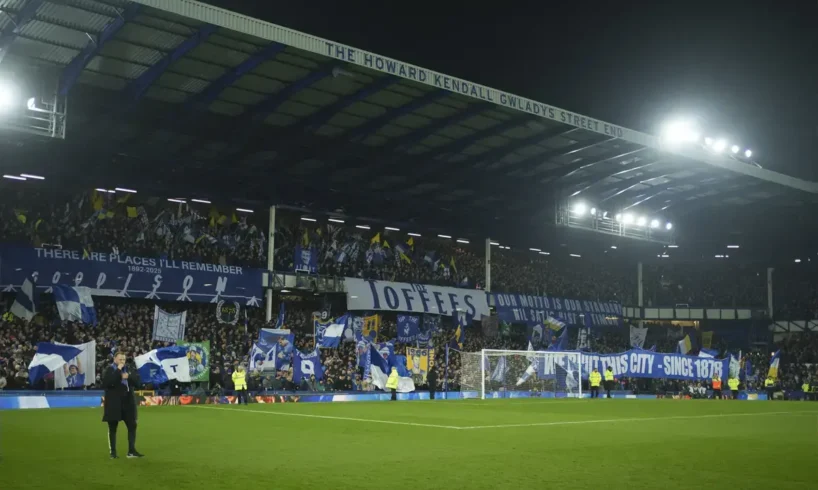
The roots of the Merseyside Derby date back to the late 19th century, when Everton were the dominant club in Liverpool. Originally playing at Anfield, Everton left the ground in 1892 following a dispute with the landlord, John Houlding. The club relocated to Goodison Park, leaving Anfield vacant.
In response, Houlding founded a new club—Liverpool FC.
What followed was the birth of one of football’s most enduring rivalries. Unlike many derbies rooted in class or geography, the Merseyside Derby emerged from a boardroom disagreement. Yet over time, it evolved into something far more meaningful.
The “Friendly Derby”
One of the defining features of this rivalry is its reputation for being relatively amicable. Families across Liverpool often support different clubs, creating a unique dynamic where matchdays are filled with banter rather than hostility.
Historically, fans even sat together during matches at Goodison Park and Anfield, a rarity in modern football. This sense of shared community led to the nickname “the friendly derby.”
However, don’t let the label fool you. On the pitch, matches are anything but friendly.
Fierce Battles and Memorable Moments
The Merseyside Derby is one of the most played fixtures in English football, particularly within the Premier League era and its predecessors. Over the decades, it has produced countless dramatic moments, controversial decisions, and iconic performances.
In the 1980s, both clubs were at their peak. Liverpool dominated domestically and in Europe, while Everton, under Howard Kendall, enjoyed a golden era of their own. During this period, the derby often had title implications, adding even greater intensity.
Cup competitions have also played a major role in shaping the…
..